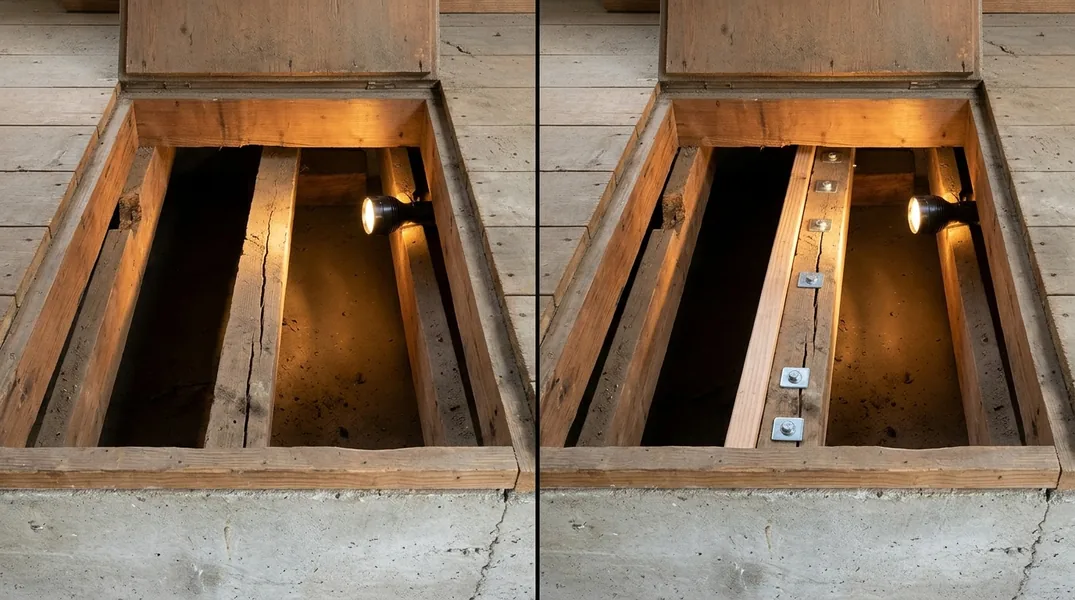
Why Is My Floor Sagging? Common Causes in Older Tri-Cities Homes
If you own an older home in Kennewick, you've probably noticed that distinctive dip or bounce in your hardwood floors. That sagging sensation isn't just an annoyance, it's your home sending you a distress signal. Sagging floors are one of the most common structural problems we encounter, and they rarely fix themselves. Understanding what causes them is the first step toward protecting your investment.
The primary culprit behind sagging floors in older homes is deterioration of the support system beneath your feet. Floor joists, the horizontal wooden beams that support your flooring, can weaken over decades due to several interconnected factors. Wood Rot & Dry Rot Repair is often necessary because moisture infiltration causes the wood to soften and lose its structural integrity. When joists become compromised, they can no longer support the weight they were designed to carry, resulting in that telltale sag you feel when walking across your living room.
Beyond rot, other common causes include inadequate support posts or beams in the basement or crawl space, settling of the foundation itself, or damage from past Termite Damage Repair issues that weakened the wood structure. In the Tri-Cities climate, where moisture can accumulate in crawl spaces and basements, rot and decay are particularly prevalent. Many older homes in Kennewick were built without modern vapor barriers or drainage systems, making them especially vulnerable to these moisture-related problems.
Understanding Floor Joist Repair and Sistering Floor Joists
When your floor joists are damaged but not completely destroyed, repair is often possible through a process called sistering. This is one of the most effective and cost-efficient solutions for addressing moderate sagging and structural weakness. Sistering involves attaching new, pressure-treated lumber alongside the existing damaged joist, essentially doubling the support capacity of that area. The new sister joist is bolted or nailed securely to the existing joist, creating a reinforced beam that can handle the load your floor needs to support.
Floor Joist & Subfloor Repair through sistering is particularly valuable because it avoids the need for complete joist replacement in many cases. The process begins with a thorough inspection to identify which joists are compromised and to what degree. Our team uses moisture meters and visual inspection to determine the extent of rot or damage. Once we've identified problem areas, we carefully install sister joists, ensuring they're properly spaced, secured, and capable of restoring proper support to your flooring.
The beauty of sistering is that it's less invasive than full replacement and typically doesn't require removing your flooring. However, it does require access to the joists, which means you'll need either a crawl space or basement. If your home doesn't have adequate access, or if the damage is too extensive, full joist replacement may be necessary. Either way, addressing this issue promptly prevents further sagging and potential safety hazards.
Sagging Floor Repair Cost in Kennewick: What to Budget
Homeowners often ask about pricing for sagging floor repairs, and the answer depends entirely on the scope of the problem. A minor repair involving sistering one or two joists might cost between $800 and $2,500, while more extensive damage affecting multiple joists or requiring full replacement can easily exceed $5,000 to $15,000 or more. The variation comes down to several factors: how many joists need repair, the extent of the damage, whether rot remediation is needed, and whether additional structural support must be installed.
One critical factor affecting cost is whether the underlying cause of the sagging has been addressed. If moisture intrusion or drainage problems caused the initial damage, those issues must be fixed, or your new repairs will simply fail again. This might involve improving crawl space ventilation, installing a sump pump, sealing foundation cracks, or addressing gutters and grading around your home. These preventive measures add to the initial investment but are absolutely essential for a lasting solution.
Another cost variable is whether the sagging has affected your subfloor, the layer beneath your finished flooring. Subfloor damage often accompanies joist deterioration and may require replacement in affected areas. Additionally, if the sagging is severe enough to have affected your foundation or load-bearing walls, you may need Beam Replacement & Load-Bearing Wall Removal services to restore proper structural support. Every home is unique, which is why getting a professional assessment is essential before budgeting for repairs.
How to Identify Sagging Floors Before They Become a Major Problem
Early detection of floor sagging can save you thousands of dollars in repairs and prevent safety issues. The most obvious sign is the visual dip in your flooring, but this is often a late-stage indicator. Long before you can see the sag, you might notice other warning signs that should prompt a professional inspection. Doors that stick or don't close properly, cracks appearing in drywall or plaster, or gaps forming between walls and flooring are all red flags that your structure is shifting.
Another telltale sign is a bouncy or spongy feeling underfoot, particularly in certain areas of your home. If you notice that walking across a particular section of floor feels different from the rest of your home, that's worth investigating. Some homeowners also report creaking or cracking sounds, which can indicate wood movement or stress on the structural components. In crawl spaces or basements, look for visible signs of moisture, mold growth, or wood that appears soft or discolored, as these indicate rot that's likely affecting your joists above.
If you're noticing any of these signs in your Kennewick home, don't wait. Early intervention is always more affordable and less disruptive than waiting until the problem becomes severe. A professional inspection can pinpoint the exact cause and recommend the most appropriate repair strategy before structural damage becomes catastrophic.
When to Call a Professional: Floor Joist Repair Near Me
While some homeowners might be tempted to tackle floor repairs themselves, this is genuinely a job for professionals. Floor joists are load-bearing structural components, and improper repair can create serious safety hazards. An incorrectly installed sister joist, inadequate fastening, or failure to address the underlying moisture problem can result in floors that are unsafe to walk on. Additionally, most jurisdictions require permits for structural repairs and inspections to ensure the work meets building codes.
When you're searching for floor joist repair near you in Kennewick, look for contractors with specific experience in structural carpentry and wood rot remediation. The best contractors will provide a detailed written estimate that explains what's wrong, why repairs are needed, what the solution will be, and how much it will cost. They should also address the root cause of the damage, not just the symptoms. At Kennewick Carpentry, we've spent years working on older homes throughout the Tri-Cities, and we understand the unique challenges that moisture and age present to your home's structural integrity.
Getting a free estimate is the best way to understand your options and costs. We recommend calling (509) 581-4504 to schedule an inspection. Our team will assess your floors, identify the root causes of any sagging, and provide you with a clear plan for repairs. Don't ignore sagging floors, and don't trust this critical work to inexperienced contractors. Your home's safety and your family's wellbeing depend on getting it right.
Preventing Future Floor Sagging: Maintenance and Moisture Control
Once your floors have been repaired, preventing future problems becomes your priority. The most important step is controlling moisture in your crawl space or basement. Proper ventilation, vapor barriers, and drainage systems work together to keep wood dry and prevent rot from developing. If your home has a crawl space, ensure it's properly ventilated and that any standing water is addressed immediately. Many older homes lack adequate vapor barriers, so installing one is often a worthwhile preventive investment.
Regular maintenance also plays a crucial role in protecting your floors. Inspect your gutters and downspouts to ensure water is directed away from your foundation. Check for any signs of water intrusion in basements or crawl spaces, and address roof leaks immediately. Inside your home, be mindful of plumbing leaks, as water damage from broken pipes can quickly compromise your joists. If you're planning any renovations, have your structural components inspected as part of the process, as this often reveals problems before they become severe.
Finally, consider periodic professional inspections, especially if your home is older or if you've had previous water damage. Catching problems early, before they affect your floor's structural integrity, is always the most cost-effective approach. When you invest in proper maintenance and moisture control, you're protecting not just your floors, but your entire home's structural foundation.
Looking for a professional carpentry contractor in Kennewick? Kennewick Carpentry responds fast for all your carpentry needs.
Get a Free QuoteOur services: Wood Rot & Dry Rot Repair · Termite Damage Repair · Floor Joist & Subfloor Repair