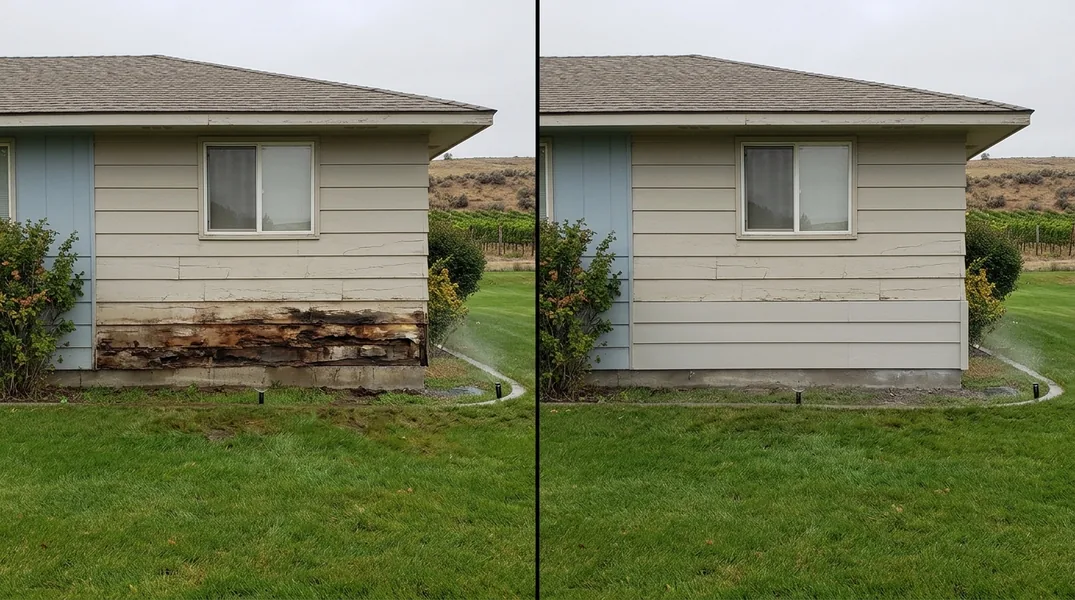
Understanding the Difference Between Sun Damage and Wood Rot
If you've noticed discolored, cracked, or soft wood on your Kennewick home's exterior, you're probably wondering what caused it. Two of the most common culprits are sun damage and wood rot, but they're very different problems that require different solutions. Sun damage is caused by ultraviolet rays breaking down the wood's surface fibers and protective coatings, while wood rot results from fungal growth that actually destroys the wood's structural integrity from within.
The distinction matters because sun-damaged wood is primarily a cosmetic issue (though it can lead to bigger problems if left untreated), while rotting wood is a serious structural concern. A piece of wood that's been damaged by the sun might look weathered and gray, but it can still support weight and function properly. Rotted wood, on the other hand, becomes soft, spongy, and weak, potentially compromising the safety and value of your home. Understanding which problem you're facing is the first step toward getting the right repair solution.
Key Signs of Sun-Damaged Wood
Sun damage develops gradually over years of exposure to the Pacific Northwest's intense summer rays. The most obvious sign is color change: wood that was once rich brown or golden becomes gray, faded, or washed out. This happens because ultraviolet light breaks down the lignin in the wood's surface, the same compound that gives wood its color and strength. You might also notice that the wood feels rough or splintered to the touch, as the protective outer layer peels away in thin fibers.
Cracking is another hallmark of sun damage. As the wood's surface dries out faster than the interior, stress builds up and the wood splits along the grain. These cracks are typically shallow and run parallel to the wood fibers, distinguishing them from the irregular, deep cracks associated with rot. The wood may also warp or cup slightly as the surface shrinks faster than the core. In Kennewick, where summer temperatures can soar, sun damage is especially common on south-facing walls and exposed trim that receives full-day exposure. The good news is that sun-damaged wood is still structurally sound and can often be restored with sanding, staining, and sealing.
Recognizing the Warning Signs of Wood Rot
Wood rot presents very different symptoms than sun damage, and catching it early is crucial. The most telling sign is softness: if you press a screwdriver or awl into the wood and it sinks in easily, you likely have rot. Rotted wood feels spongy or mushy because fungal growth has consumed the cellulose that gives wood its hardness. You might also notice a musty, earthy smell around affected areas, which comes from the fungal colonies breaking down the wood. Unlike sun damage, rot often occurs in areas that stay damp or shaded, such as around gutters, under eaves, near ground level, or in corners where water collects.
Discoloration from rot looks different than sun fading. Rotted wood often appears darker, sometimes with a blackish or purplish tint, or it might show unusual staining. The wood may also feel heavier than normal because it's absorbing moisture. In advanced stages, you might see visible fungal growth (white, fuzzy mycelium or fruiting bodies), soft spots that cave inward, or wood that crumbles when touched. If you suspect Wood Rot & Dry Rot Repair, don't wait. Rot spreads quickly and can compromise your home's structural integrity, including floor joists, siding, and framing. The sooner you address it, the less extensive and expensive your repairs will be.
Wood Cracking Causes: Sun Damage vs Rot
Both sun damage and wood rot can cause cracking, but the pattern and location of cracks tell you a lot about the underlying cause. Sun-damaged wood typically develops radial cracks that start at the center and spread outward like spokes on a wheel, or parallel cracks that run along the grain. These cracks are usually shallow, affecting only the surface layer of wood. They appear on exposed, sunny surfaces and develop slowly over many years as the wood's surface repeatedly expands and contracts with temperature changes.
Rot-related cracks, by contrast, are often irregular, deep, and accompanied by soft wood. Because rotting wood loses its structural strength, cracks can appear suddenly and may run in unpredictable directions. You might also see cupping (edges higher than the center), warping, or sections of wood that have actually separated. Rot cracks often occur in protected areas like under soffits or near water sources, whereas sun cracks appear on the most exposed surfaces. If you're unsure whether your wood's cracking is cosmetic or structural, it's worth getting a professional assessment. The team at Kennewick Carpentry can evaluate your wood and recommend whether repair, replacement, or preventive sealing is the best approach.
Siding Repair in Kennewick: When to Call a Professional
Deciding whether to tackle wood repairs yourself or hire a professional depends on the extent of the damage and the type of wood involved. Minor sun damage to non-structural trim can sometimes be addressed with DIY sanding and refinishing, but most homeowners find that professional results are worth the investment. For anything involving your home's main siding, structural framing, or suspected rot, professional help is essential. Misdiagnosing the problem or using the wrong repair method can lead to much costlier damage down the road.
When you call Kennewick Carpentry at (509) 581-4504, our team will inspect the affected wood, identify whether you're dealing with sun damage, rot, or another issue, and recommend the most cost-effective solution. For sun damage, we can sand and refinish the wood or replace severely damaged boards. For rot, we remove the affected wood and replace it with new, treated material, ensuring the problem doesn't spread. We also address the underlying cause, whether that's improving drainage, adding gutters, or sealing gaps where water enters. Getting a free estimate is the best way to understand your options and budget for repairs.
Prevention: Protecting Your Kennewick Home's Wood
The best way to avoid costly wood repairs is prevention. Regular maintenance can significantly extend the life of your siding and trim. For sun-damaged wood, the key is protection: apply a quality exterior stain or paint every three to five years to shield the wood from ultraviolet rays. Choose products with UV blockers and water repellents. Keep gutters clean and make sure downspouts direct water away from your foundation and siding. Trim back tree branches that shade your home, as this improves air circulation and helps wood dry faster after rain.
To prevent rot, focus on moisture control. Ensure your grading slopes away from your home so water doesn't pool against the foundation. Maintain caulking around windows, doors, and trim to prevent water infiltration. Check for and repair damaged gutters and downspouts promptly. If you notice soft spots, discoloration, or musty smells, address them immediately rather than hoping they'll go away. Many homeowners in Kennewick find that a professional inspection every few years catches small problems before they become expensive ones. By combining regular maintenance with prompt professional attention when needed, you can keep your home's wood in excellent condition for decades to come.
Looking for a professional carpentry contractor in Kennewick? Kennewick Carpentry responds fast for all your carpentry needs.
Get a Free QuoteOur services: Wood Rot & Dry Rot Repair · Termite Damage Repair · Floor Joist & Subfloor Repair